
What Your Sleeping Position May Reveal About Your Personality: Exploring 6 Common Sleep Styles and the Science Behind Them
Sleep is one of the most essential parts of our daily lives. While we often focus on how many hours we sleep, researchers have also studied how we sleep—from our bedtime routines to our preferred sleeping positions. Over the years, countless articles and social media posts have claimed that your favorite sleeping position can reveal hidden aspects of your personality, emotional state, and even your relationships.
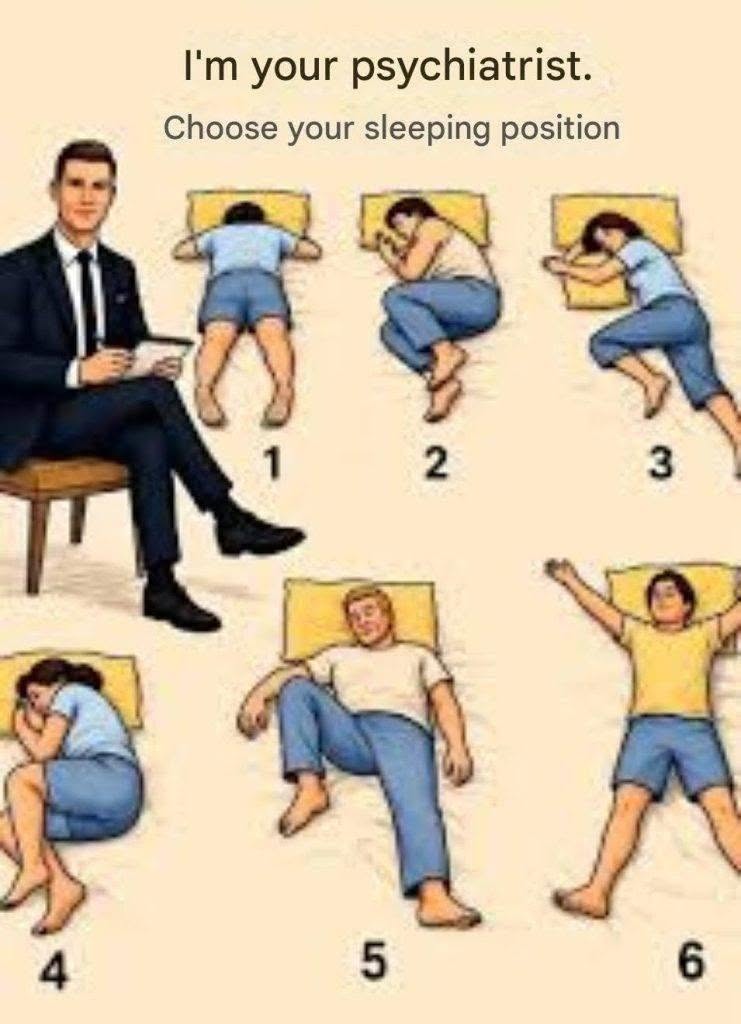
Images like the one above often invite readers to choose a sleeping position and promise to uncover fascinating insights about who they are. While these interpretations can be entertaining, it’s important to remember that there is no strong scientific evidence proving that sleeping positions reliably reveal personality traits. Most personality descriptions associated with sleep positions come from popular psychology rather than established psychological research.
That said, exploring these common interpretations can still be a fun way to reflect on your habits and preferences. Your sleeping position may be influenced by comfort, health conditions, age, injuries, pregnancy, mattress type, or simply what feels natural after years of sleeping the same way.
Let’s take a closer look at six common sleeping positions and the personality traits they are often associated with—while keeping the science in perspective.
Why People Sleep in Different Positions
Most people don’t consciously choose a sleeping position every night. Instead, our bodies naturally settle into positions that feel most comfortable.
Several factors influence sleep posture, including:
Body shape
Muscle and joint flexibility
Mattress firmness
Pillows
Back or neck pain
Pregnancy
Age
Medical conditions
Habit
Some people barely move throughout the night, while others change positions dozens of times during sleep.
Because sleep posture varies so much, it should never be viewed as a definitive personality test.
Position 1: Sleeping Face Down (The Freefall Position)
In the first position, the sleeper lies on their stomach with arms extended near or above the pillow.
This posture is commonly called the Freefall Position.
Popular Personality Interpretation
According to popular sleep psychology:
People who prefer this position are often described as:
Outgoing
Adventurous
Bold
Sociable
Confident
Energetic
Some personality guides suggest these individuals enjoy excitement and don’t shy away from new experiences.
However, beneath their confident appearance, they may also be sensitive to criticism.
Again, these descriptions are based largely on anecdotal interpretations rather than scientific evidence.
Health Considerations
Sleeping on your stomach can create challenges for the body.
Because your neck remains turned to one side for extended periods, some people experience:
Neck stiffness
Shoulder pain
Lower back discomfort
On the positive side, stomach sleeping may reduce snoring for certain individuals.
Position 2: Curled on the Side (The Classic Fetal Position)
The fetal position is one of the world’s most common sleeping positions.
The sleeper curls onto one side with knees bent toward the chest.
Popular Personality Interpretation
People who choose this position are often described as:
Kind
Thoughtful
Sensitive
Caring
Reliable
They may appear reserved when meeting new people but become warm and loyal once trust develops.
Many personality articles describe fetal sleepers as emotionally protective, preferring close friendships over large social circles.
Why It’s So Common
Sleeping on the side generally reduces pressure on the spine and can improve comfort for many people.
It is also frequently recommended during pregnancy.
Position 3: Side Sleeping with Arms Forward
In this variation, the sleeper lies on one side while stretching both arms outward.
Personality Interpretation
Popular descriptions suggest these individuals are:
Curious
Open-minded
Analytical
Thoughtful
Careful decision-makers
Some articles claim they enjoy exploring ideas before making important choices.
Although willing to consider different perspectives, they may take longer than others to reach final decisions.
Possible Health Benefits
Side sleeping often helps:
Reduce snoring
Improve breathing
Ease acid reflux
Support spinal alignment when using an appropriate pillow
Position 4: Tightly Curled Up
Position four resembles an exaggerated fetal position, with the body curled into a tighter ball.
Personality Interpretation
This position is often linked with people who are believed to be:
Highly empathetic
Introverted
Compassionate
Protective
Emotionally aware
Popular interpretations suggest they deeply value security and emotional connection.
Because they tend to think carefully before acting, they may avoid unnecessary conflict.
Psychological Perspective
While some articles associate tightly curled sleeping with stress or anxiety, posture alone cannot diagnose emotional health.
People may simply sleep this way because it feels warm and comfortable.
Position 5: Relaxed Side Sleeping
In this position, one leg remains bent while the other stretches naturally.
The sleeper appears comfortable and relaxed.
Personality Interpretation
This posture is often associated with individuals who are:
Easygoing
Flexible
Adaptable
Friendly
Calm under pressure
They may enjoy social situations while also appreciating quiet personal time.
According to popular interpretations, these people balance responsibility with spontaneity.
Comfort
Many adults naturally shift into variations of this position throughout the night because it places relatively little strain on joints.
Position 6: Sleeping Flat on the Back
The final position shows someone lying flat with arms spread comfortably outward.
Personality Interpretation
Back sleepers are frequently described as:
Confident
Organized
Independent
Optimistic
Goal-oriented
Some personality guides suggest they prefer structure and enjoy planning ahead.
Others believe they value honesty and direct communication.
Health Benefits
Back sleeping may help:
Keep the spine aligned
Reduce facial pressure
Minimize wrinkles caused by pillow contact
Prevent pressure on shoulders
However, for people who snore or have sleep apnea, back sleeping can sometimes worsen symptoms.
Is There Scientific Proof?
Although these personality descriptions are entertaining, psychologists emphasize that personality is extremely complex.
Reliable personality assessments typically evaluate factors such as:
Behavior
Emotions
Thinking patterns
Communication style
Life experiences
Sleeping position alone cannot accurately determine someone’s personality.
Some early surveys suggested possible associations between sleep posture and certain personality characteristics, but larger scientific studies have found little evidence supporting strong or consistent relationships.
In other words:
Your favorite sleeping position is unlikely to reveal your entire personality.
What Research Does Focus On
Scientists have studied sleeping positions primarily because they affect physical health rather than personality.
Research has explored how sleep posture influences:
Breathing
Side sleeping often improves airflow and may reduce snoring.
Sleep Apnea
Some individuals experience fewer breathing interruptions when sleeping on their side.
Back Pain
Appropriate support and alignment matter more than any specific position.
Pregnancy
Healthcare providers often recommend side sleeping, particularly later in pregnancy.
Acid Reflux
Sleeping on the left side may help reduce nighttime reflux symptoms for some people.
Why Sleeping Positions Change
Many people assume they always sleep the same way.
In reality, sleep positions frequently change throughout life.
Changes may occur because of:
Aging
Weight changes
Injuries
Surgery
Pregnancy
Different mattresses
Shoulder pain
Hip discomfort
It’s completely normal for your preferred sleeping position to evolve over time.
Can Personality Affect Sleep?
Interestingly, researchers have found stronger evidence that personality influences sleep habits than the reverse.
For example:
Highly conscientious people may:
Maintain regular bedtime routines.
Prioritize healthy sleep habits.
People experiencing stress may:
Have more restless sleep.
Wake more frequently.
Highly extroverted individuals may:
Stay up later during social activities.
These relationships involve overall sleep behaviors rather than specific body positions.
Choosing the Best Sleeping Position
Instead of focusing on personality, many sleep experts recommend choosing positions that support healthy rest.
Some helpful tips include:
Use a Supportive Pillow
Your pillow should help keep your neck aligned with your spine.
Replace Old Mattresses
An aging mattress may contribute to discomfort regardless of sleep position.
Support Side Sleeping
Placing a pillow between the knees may reduce pressure on the hips and lower back.
Support Back Sleeping
A small pillow beneath the knees may improve spinal alignment.
Listen to Your Body
Comfort matters.
If you consistently wake up with pain, discussing your sleep posture with a healthcare professional may help.
Sleep Is About More Than Position
Good sleep depends on many factors besides posture.
Healthy sleep habits include:
Maintaining a regular bedtime
Limiting caffeine late in the day
Creating a cool, dark bedroom
Reducing screen time before bed
Exercising regularly
Managing stress
These habits have far more scientific support than personality theories based on sleeping positions.
Final Thoughts
The idea that your sleeping position reveals your personality has fascinated people for decades, and it’s easy to see why. It offers a simple, fun way to reflect on ourselves and compare habits with friends and family. Whether you naturally curl into a fetal position, stretch out on your back, or sleep on your stomach, popular interpretations can make for enjoyable conversation. Family
However, it’s important to remember that these descriptions should be viewed as entertainment rather than scientific fact. Current research does not support the idea that sleeping positions can accurately determine personality traits. Instead, your preferred sleep posture is far more likely to reflect factors such as comfort, physical health, mattress quality, and long-standing habits.
Ultimately, the best sleeping position is the one that allows you to wake up feeling rested, comfortable, and free from pain. While personality quizzes can be fun, prioritizing good sleep hygiene, proper support, and overall health will do much more for your well-being than any interpretation based solely on how you sleep.
Comments
Post a Comment